Avian Bird Flu / Avian Influenza
Avian bird flu is a serious disease risk that affects birds, poultry industries, food security and public health.
What is avian bird flu?
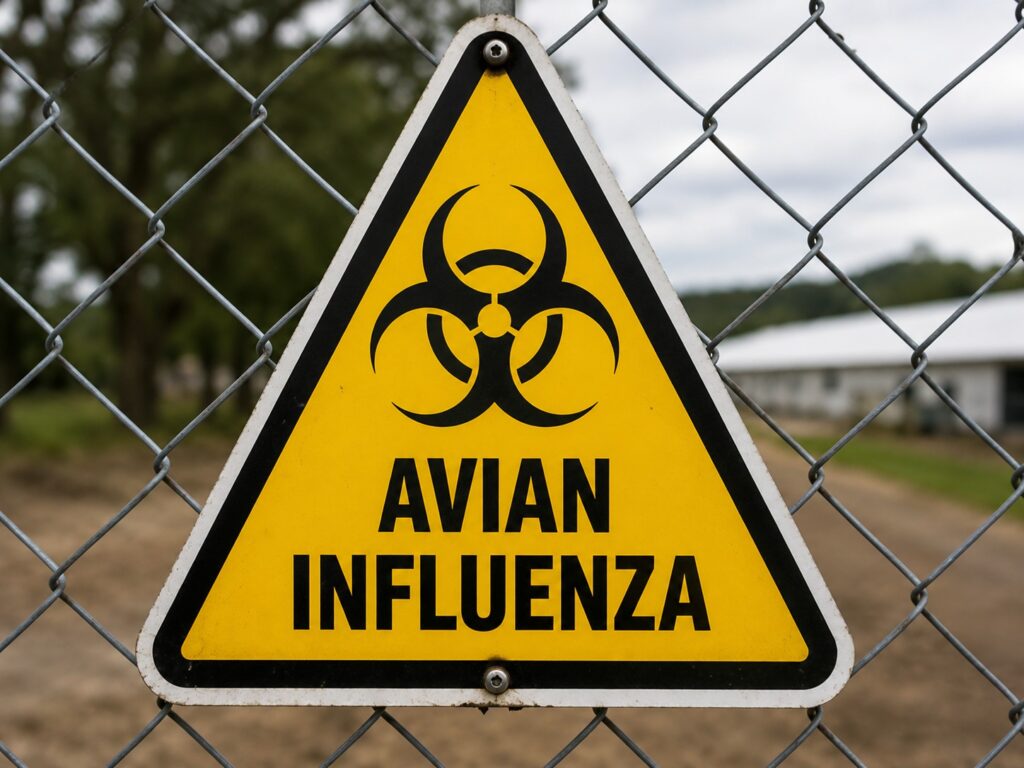
Avian bird flu, more correctly called avian influenza, is a contagious viral disease that affects birds, especially poultry, wild waterbirds, seabirds, pigeons, ducks, geese, gulls and other wild bird populations. Some strains cause mild disease, while highly pathogenic avian influenza, known as HPAI, can cause severe illness and mass deaths in poultry and wild birds. (World Health Organization) The strain of greatest current global concern is H5N1, especially the modern clade 2.3.4.4b, which has spread widely through wild birds, poultry and some mammals. (CDC)
Why it matters?
Avian flu matters because it affects animal health, public health, food security and business operations. Outbreaks can lead to large-scale poultry deaths, culling, egg shortages, trade restrictions, financial losses and increased biosecurity costs. In February 2026 alone, WOAH reported 124 poultry outbreaks and 863 non-poultry outbreaks, including wild birds and mammals, with about 13.61 million poultry birds dead or culled during that month. (Woah) For South Africa, the 2023 HPAI outbreaks caused serious disruption, with millions of chickens culled and major pressure on egg and poultry supply. (AP News)
How the virus spreads.
Avian influenza spreads mainly through: • Direct contact between infected birds and healthy birds. • Bird droppings, saliva, respiratory fluids and contaminated feathers. • Contaminated surfaces, water, soil, equipment, shoes, vehicles and feed areas. • Movement of infected wild birds over long distances. • Poor waste control and unmanaged roosting or nesting areas. Wild birds can carry and spread the virus without always showing obvious signs of illness, making them a major risk around poultry farms, food sites, warehouses, dams, golf estates, shopping centres and industrial properties. WHO confirms that H5N1 has caused widespread infections in poultry, wild birds and some mammals, and that contaminated environments can expose people and animals. (World Health Organization)
Birds most commonly involved.
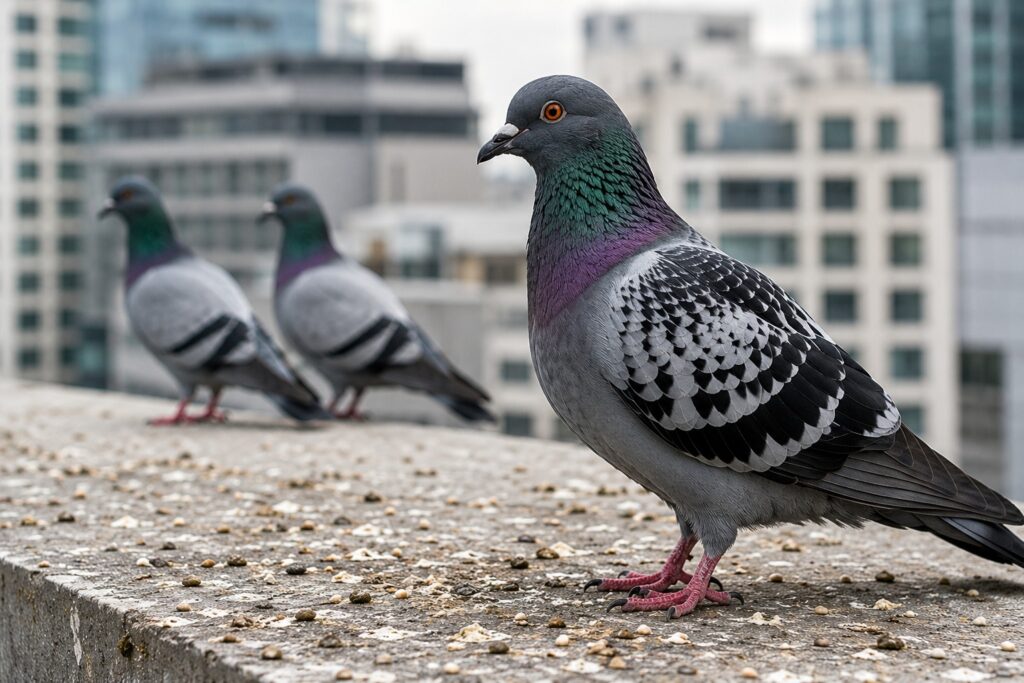
The highest-risk groups include: Wild waterbirds: ducks, geese, swans and shorebirds. Seabirds: gulls, terns and coastal birds. Poultry: chickens, turkeys, ducks and commercial flocks. Urban pest birds: pigeons, starlings, sparrows and other birds may contribute to contamination risks around human environments, especially where droppings, nesting material and food waste accumulate.
Symptoms in birds.
Signs may include sudden death, lack of energy, swelling of the head or eyes, difficulty breathing, coughing, sneezing, diarrhoea, reduced egg production, soft-shelled eggs, tremors, twisted necks or unusual movement. In severe HPAI outbreaks, birds may die suddenly before clear symptoms are seen.
Risk to humans.
Human infections are rare, but they can happen, especially in people who have close contact with infected birds, dead birds, contaminated environments or infected animals. WHO states that there have been hundreds of human H5N1 cases and many deaths globally among people exposed to infected animals or contaminated environments. (World Health Organization) The general public risk is usually considered low when there is no direct exposure, but workers in poultry, bird control, wildlife handling, cleaning, waste management and farming should treat suspected cases seriously. CDC notes that current H5 viruses continue to circulate in wild birds and poultry in different regions and continue to evolve. (CDC)
Economic and food security impact.
Avian flu can cause: • Loss of poultry stock. • Egg and chicken shortages. • Increased food prices. • Farm shutdowns. • Export and import restrictions. • Higher cleaning, disinfection and biosecurity costs. • Damage to food processing, agriculture and retail supply chains. South Africa’s previous outbreak led to the culling of around 7.5 million chickens, contributing to egg shortages and poultry industry disruption. (AP News)
Why bird control is important.
Bird control helps reduce the conditions that allow disease spread. It does not replace veterinary disease control, but it supports prevention by reducing bird pressure and contamination around sensitive sites. Bird control matters because it helps: • Reduce droppings and contaminated nesting material. • Prevent birds from roosting above food, equipment and walkways. • Reduce contact between wild birds and domestic poultry. • Protect feed, water points, loading bays and storage areas. • Improve hygiene and biosecurity. • Lower the risk of outbreaks spreading through contaminated environments. Sites at higher risk include poultry farms, packhouses, cold stores, food factories, shopping centres, hospitals, warehouses, farms, dams, golf estates and waste areas.
Prevention and biosecurity.
Recommended control measures include: • Keep wild birds away from poultry, feed and water. • Remove bird droppings and nesting material safely. • Seal entry points into buildings and roof spaces. • Control food waste and standing water. • Use bird-proofing, netting, spikes, trapping where legal, lasers, hawk patrols and habitat management. • Clean and disinfect contaminated areas. • Restrict unnecessary access to poultry areas. • Use PPE when cleaning bird-contaminated sites. • Report unusual bird deaths to the relevant veterinary or conservation authority.

Important safety note.
Do not touch sick or dead birds with bare hands. Do not attempt to capture, move or dispose of suspected infected birds without proper PPE and guidance. In South Africa, suspected poultry or wild bird outbreaks should be reported to the relevant state veterinary services or conservation authority.
Conclusion.
Avian bird flu is a serious disease risk that affects birds, poultry industries, food security and public health. Because wild birds can spread the virus over long distances and contaminated environments can increase outbreak risk, professional bird control plays an important role in prevention. Effective bird management, hygiene, proofing and biosecurity can help protect farms, businesses, public sites and communities.
More about the disease.
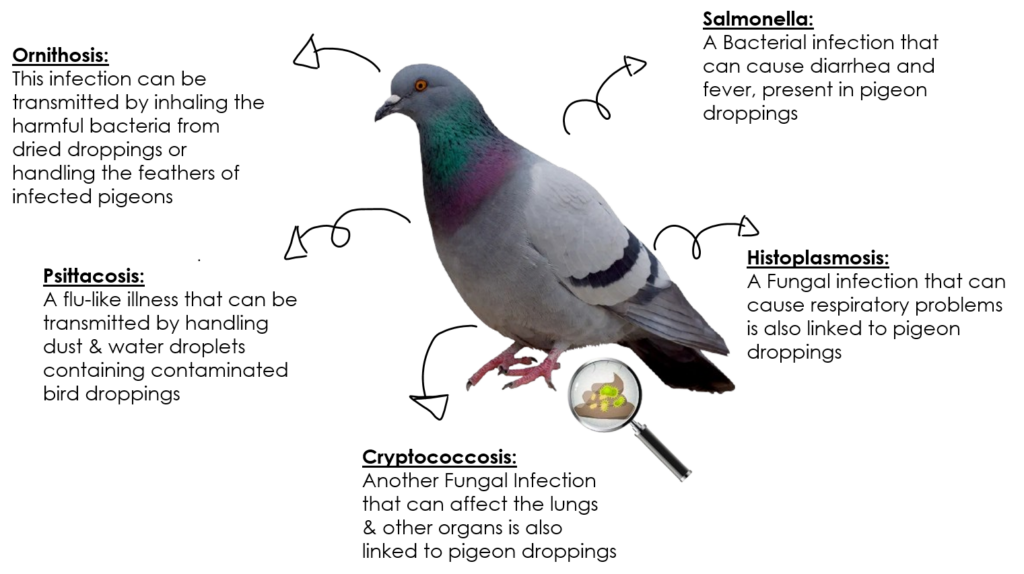
• One pigeon produces 20 kg of fouling per annum • 100 pigeons equate to 2 Tons of droppings • Droppings, nesting material, and carcasses contain a wide variety of mites and insects that can cause disease. • According to Medical News Today, the most common pathogens that can transmit disease from pigeon to human are: • E.coli • St. Louis encephalitis • Histoplasmosis • Candidiasis • Salmonella